How Can A Childcare Center’s Investment In Children shape the future?
This is a question Childcare owner, LaTisha Corley asks herself everyday. Though the success of Prepping For Excellence Academy proves her mastery, she’s just getting started....
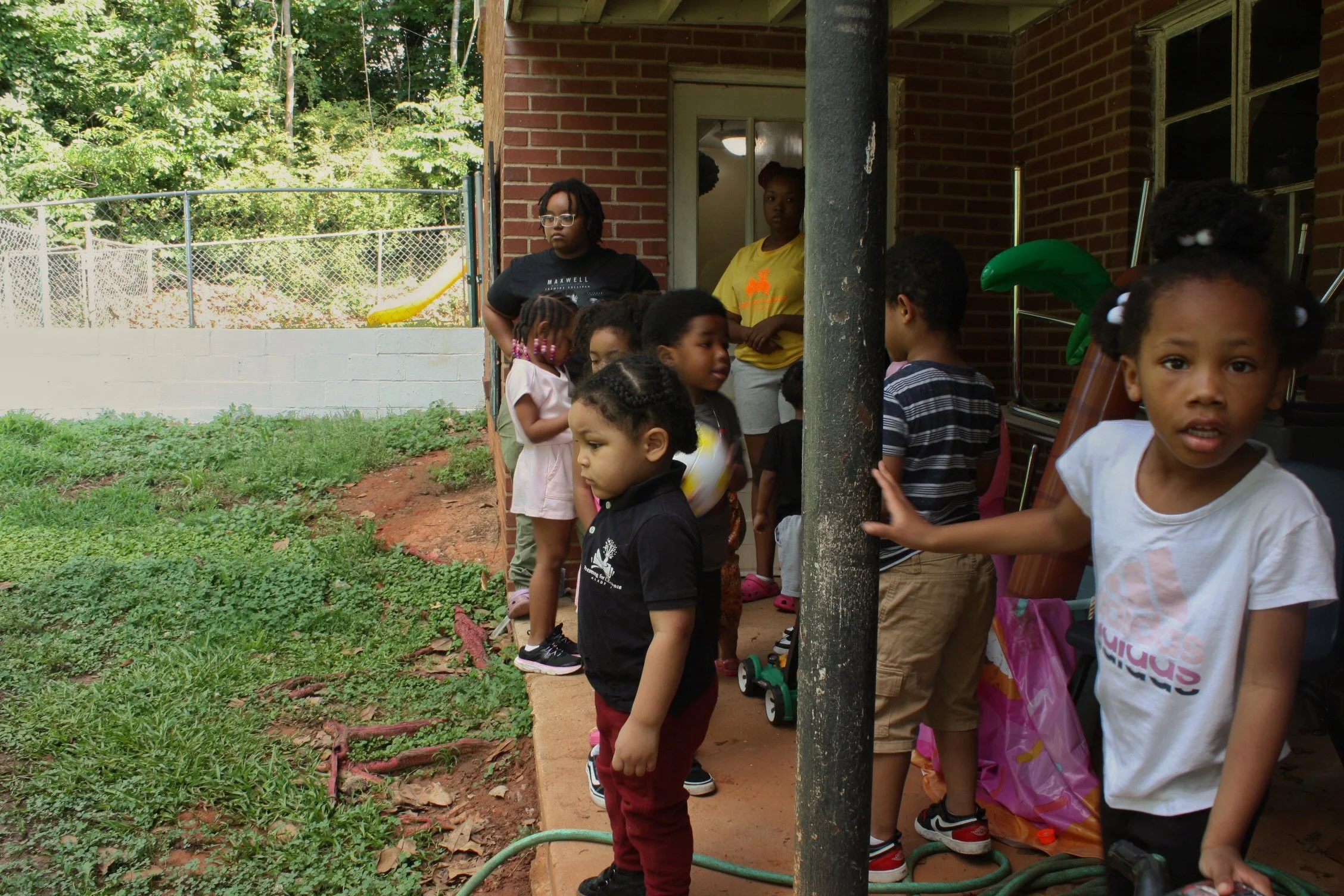
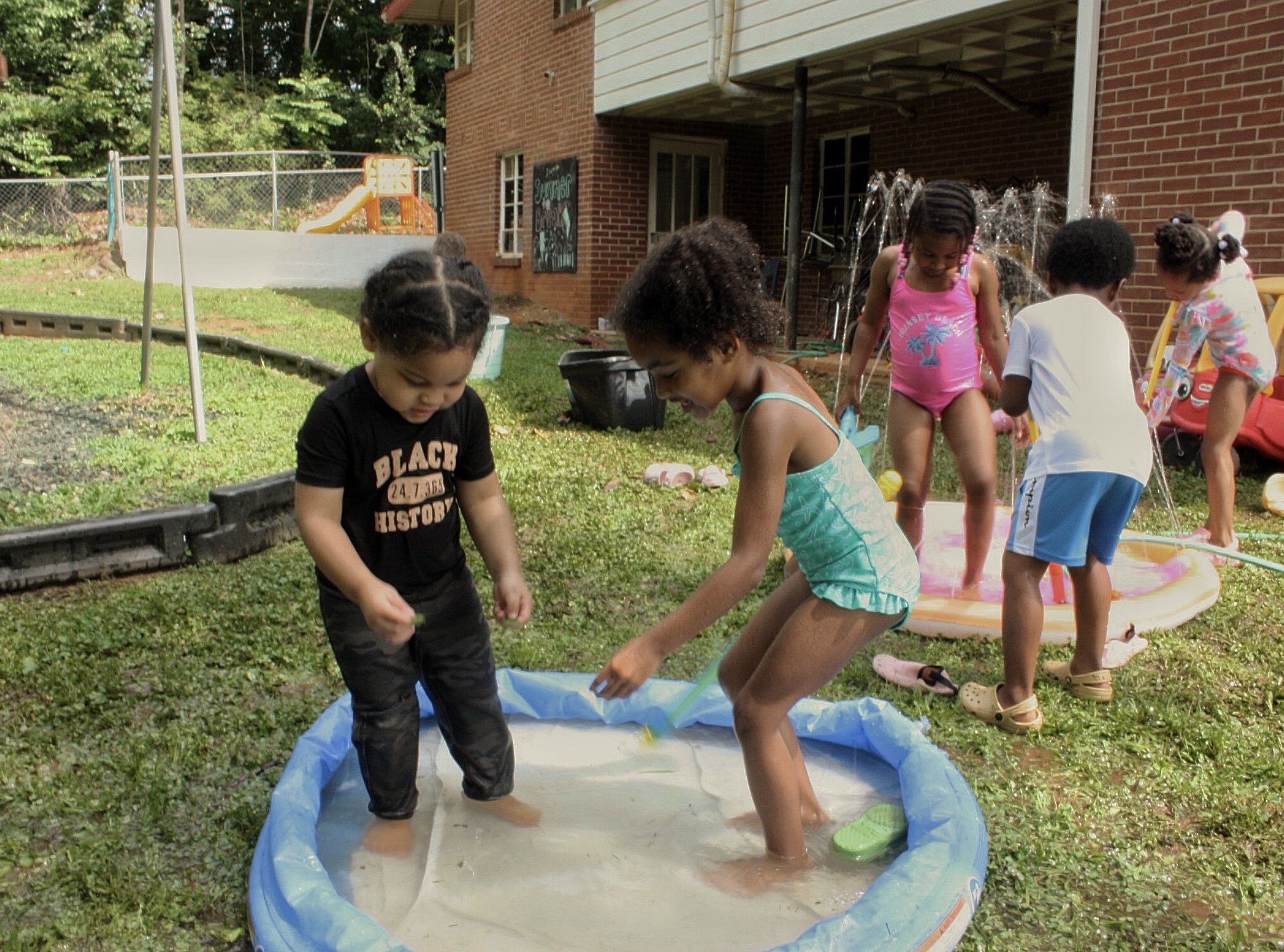
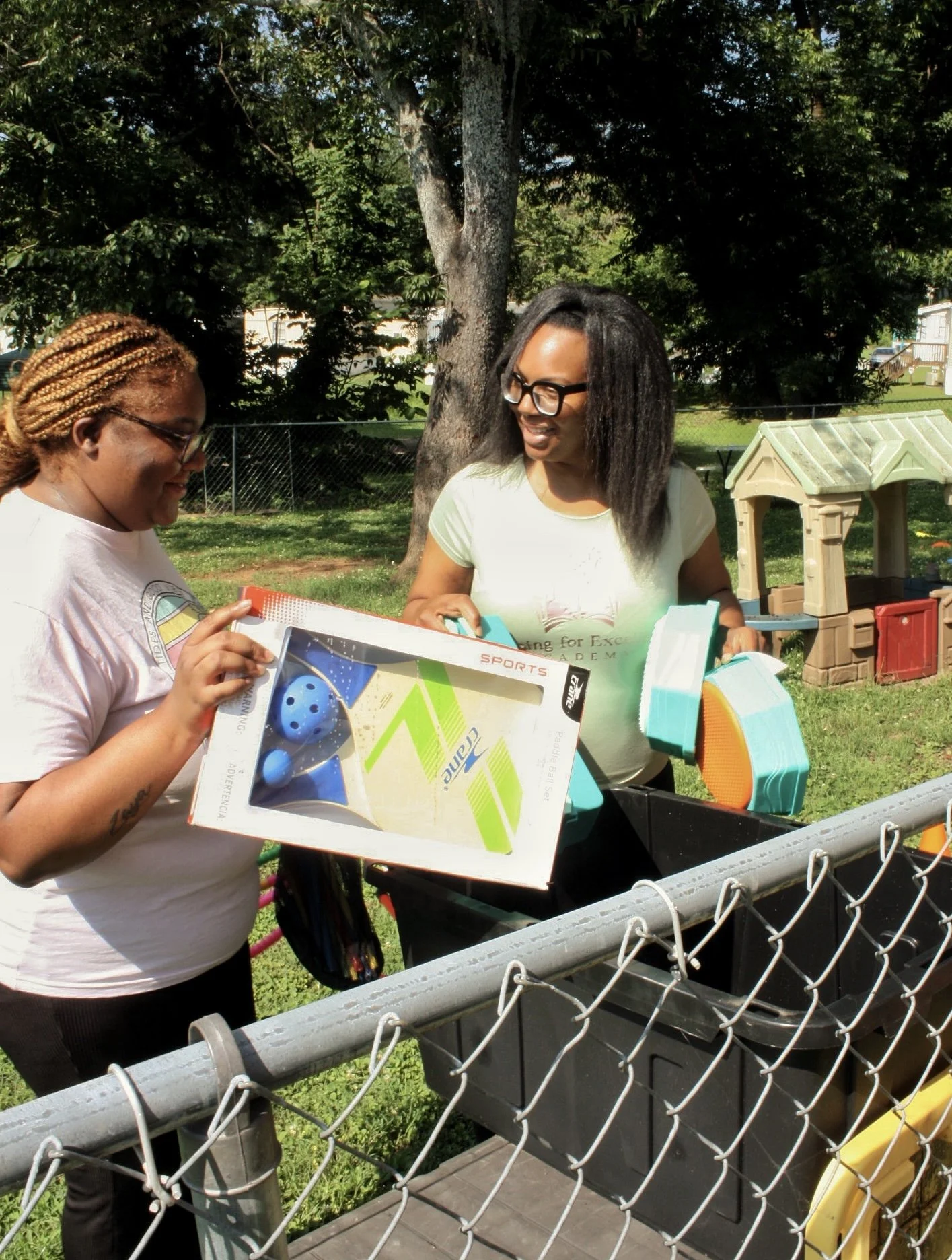
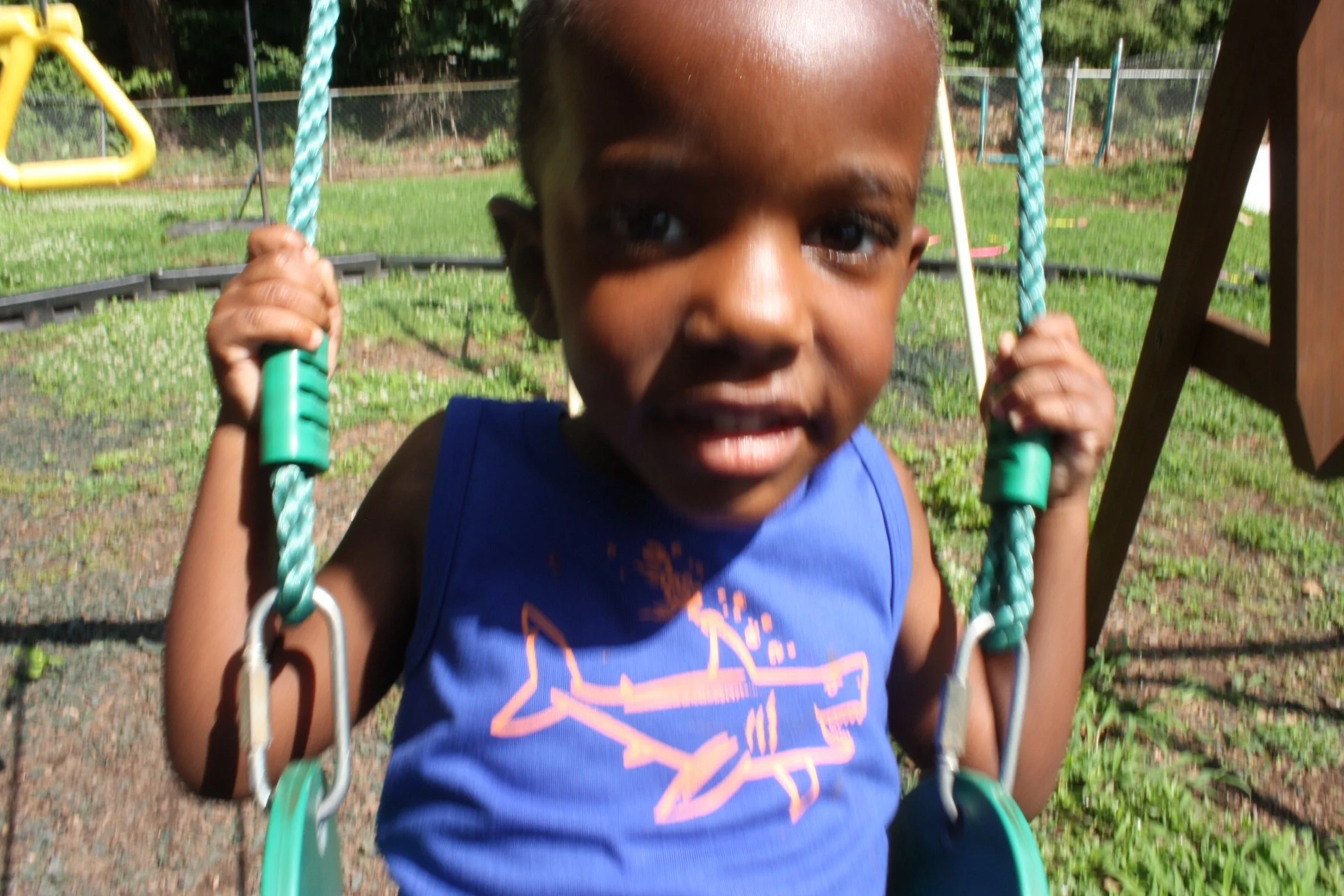
After the Civil War, many formerly enslaved people remained in the Mableton, Georgia, establishing families, churches, schools, and community institutions throughout South Cobb County. Their contributions helped shape the culture and identity of Mableton for generations.
Today, Mableton is home to one of the largest Black populations in Cobb County, and the influence of Black history can still be seen throughout the community. This history is reflected in local organizations, schools, and educational spaces that seek to celebrate and preserve the stories of those who came before them.
LaTisha Corley is the owner of Prepping for Excellence Academy, a childcare center located in the heart of Mableton.
She opened the doors to her first center in September 2019, driven by a commitment to providing quality early childhood education and creating a space where young scholars could thrive.
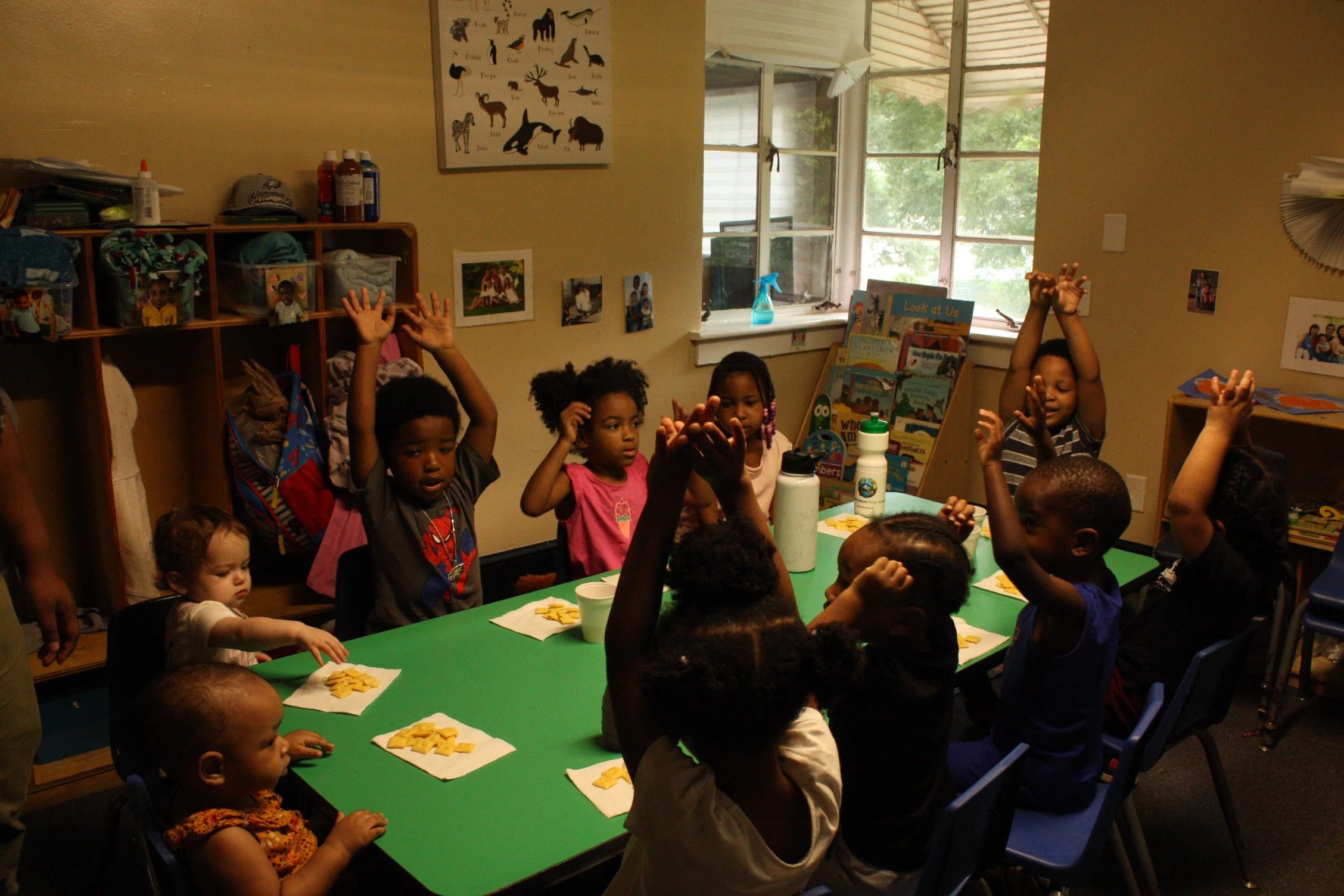
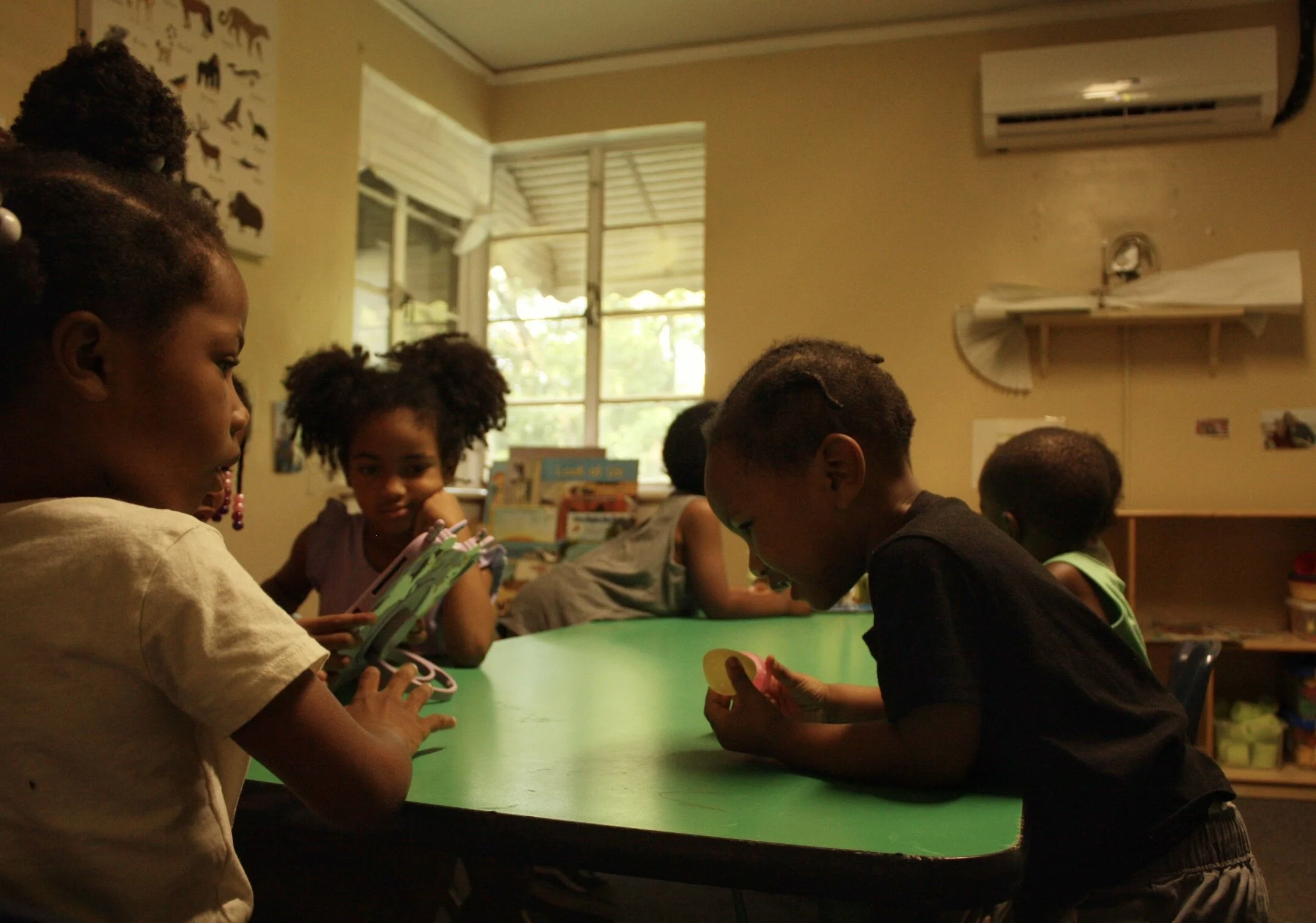
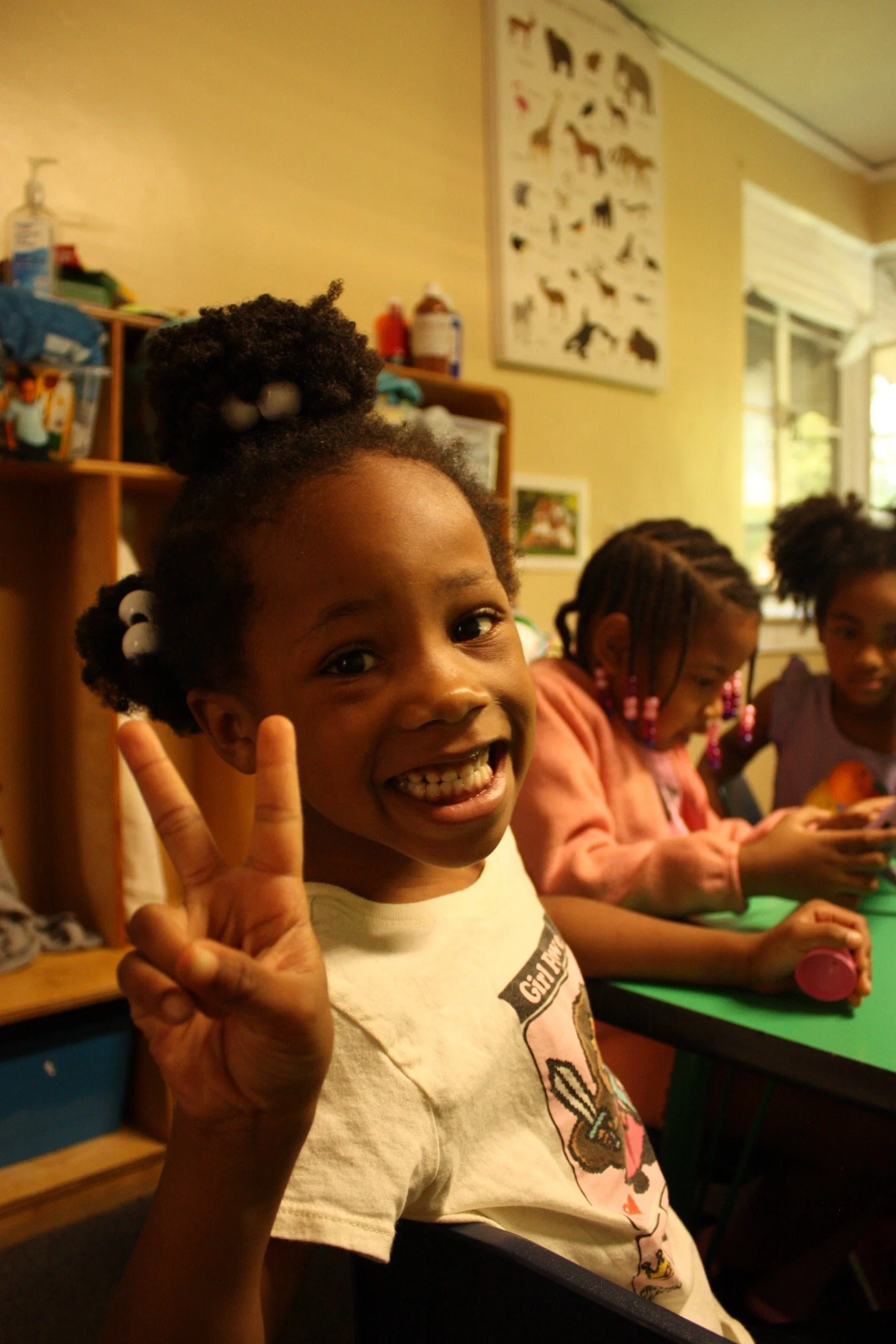
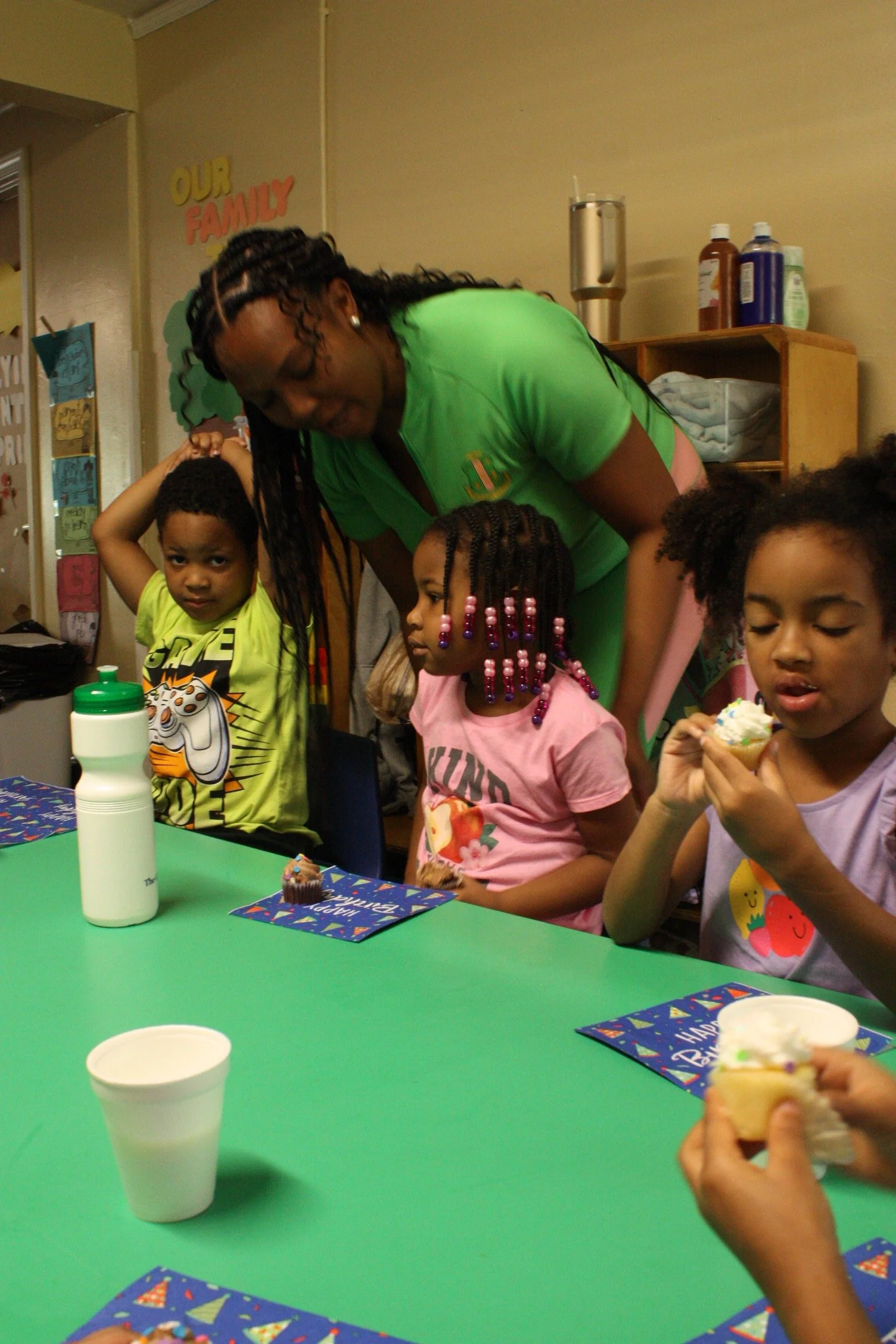
During my visit at Prepping for Excellence Academy , I noticed Black history facts displayed on the walls throughout the building. These displays served as more than decoration; they acted as a reminder of the community’s history and provided children with opportunities to see themselves reflected in what they learn. In a city with such deep Black roots, incorporating Black history into early childhood education helps connect young students to the legacy, achievements, and experiences of the people who helped build the community they call home.
I sat down with LaTisha Corley to discuss her career as a childcare center owner, exploring the path that led her to open Prepping for Excellence Academy and the impact she hopes to make within her community.
Launching a childcare center comes with significant challenges, from licensing requirements to earning the trust of families. Looking back, what obstacles or realities caught you by surprise, and how did those experiences shape the way you approach childcare today?
LaTisha: “Going into the process of opening a childcare center, I was under the impression that it would take about six months. In reality, it took much longer than expected. We ended up paying the lease on our building for nearly two years before we were able to open our doors.
Looking back, I’m grateful that I hadn’t fully left my corporate job and that I had a strong support system around me. During that time, we were still responsible for paying rent, utilities, and all of the expenses that come with creating a childcare center that feels safe, welcoming, and enriching for children.
One thing many people don’t realize is how costly those early stages can be. I never took out a loan to fund the center—I relied entirely on my personal savings. As a result, I was losing money while working toward the goal of opening. Those challenges taught me the importance of patience and preparation perseverance, lessons that continue to shape the way I approach childcare and business ownership today.”
Were there moments early on when you questioned whether opening a daycare was the right decision? If so, what kept you moving forward?
“Yes, some of those moments came when dealing with families who were not the right fit for our program, or when a child’s needs did not align with the structure of our center. Those situations can make you stop and wonder if you’re doing the right thing.
What keeps me moving forward is knowing that the right families always find their way to us. Over the years, I’ve learned how important it is to clearly communicate expectations from the very beginning. On a child’s first day, we make sure parents understand our policies and procedures, and students are introduced to our structure and daily routines. Setting those expectations early helps create a positive experience for both families and staff, and it ensures that we build a community that is a good fit for everyone.”
Have you witnessed changes in the needs of children or parents since you first opened? If so, what stands out to you most?
“The biggest change I’ve seen has been in the financial needs of families. Since COVID, many parents have faced increased economic pressures, and for some families it has become more affordable to keep children at home with older siblings rather than enroll them in childcare programs. As the cost of goods and services continues to rise, those increases inevitably affect childcare providers as well, which can impact what families are asked to pay. Fortunately, there are resources available that can help parents manage childcare expenses.
When it comes to the needs of children, one thing that stands out to me is the importance of teaching respect at an early age. Growing up, respect for parents, teachers, and other authority figures was something that was expected. Today, I believe it is more important than ever to intentionally instill those values in young people. At Prepping for Excellence Academy, we focus on more than academics—we make sure our students are equipped with strong manners, respect, and character from the very beginning.”
In a community like Mableton, where many of the children and families you serve are Black, you’ve made the intentional choice to incorporate Black history throughout the center. Why was that important to you, and what responsibility do you think educators have in helping children develop a sense of identity and pride in their heritage from an early age?
“During a time when America has tried to erase certain aspects of history and diminish the significance of Black contributions,
Prepping for Excellence Academy remains committed to remembering and honoring our true story. We believe it is essential to acknowledge not only where we come from but also the diverse lived experiences that shape our identity today. We instill in our scholars the importance of Black history because Black Americans have continually shaped and transformed the world around us.”
You have taken on another creative endeavor through writing. From It’s Hard Being a Big Sister, inspired by your eldest daughter Tylan, to Your First Year Surviving as a Childcare Boss, a guide for aspiring childcare owners, and now a potential sequel centered on Aaron’s role as an older brother to Serenity, your children seem to be woven into much of your work. Beyond simply serving as inspiration, what do you hope your children gain from seeing their lives and experiences reflected in these stories? Do you view this as a way of preserving family legacy, teaching values, or shaping how they understand themselves and their place in the world?
“By seeing themselves reflected in these stories, I want my children to understand that they can achieve anything through hard work, strong character, and humble beginnings. Because they witness me every day working at the daycare,
they see my dedication and passion that have helped build the childcare center to where it is today. If I were to pass down any lessons, those core values—work ethic, integrity, and humility—are the ones I hope my children will carry with them always.”
On page 11 of your book, Your First Year Surviving as a Childcare Boss, you encourage future childcare owners to reflect on their “why,” including whether they can be a center where single mothers and fathers feel supported. In many Black communities, childcare centers have historically served as more than places of learning—they’ve often functioned as pillars of support for working families. How has that understanding shaped your approach to childcare, and what role do you believe childcare centers should play in strengthening the broader community?
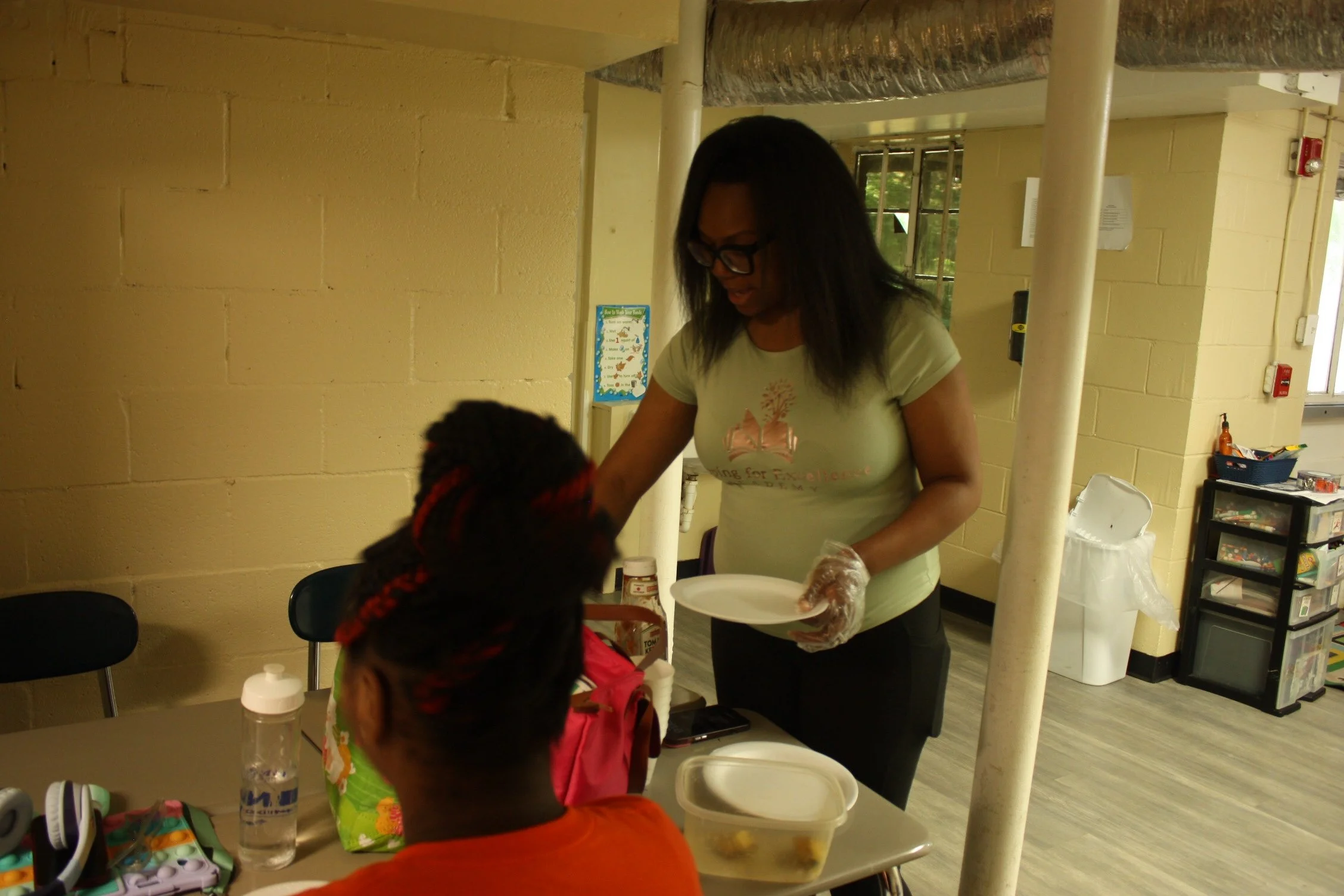
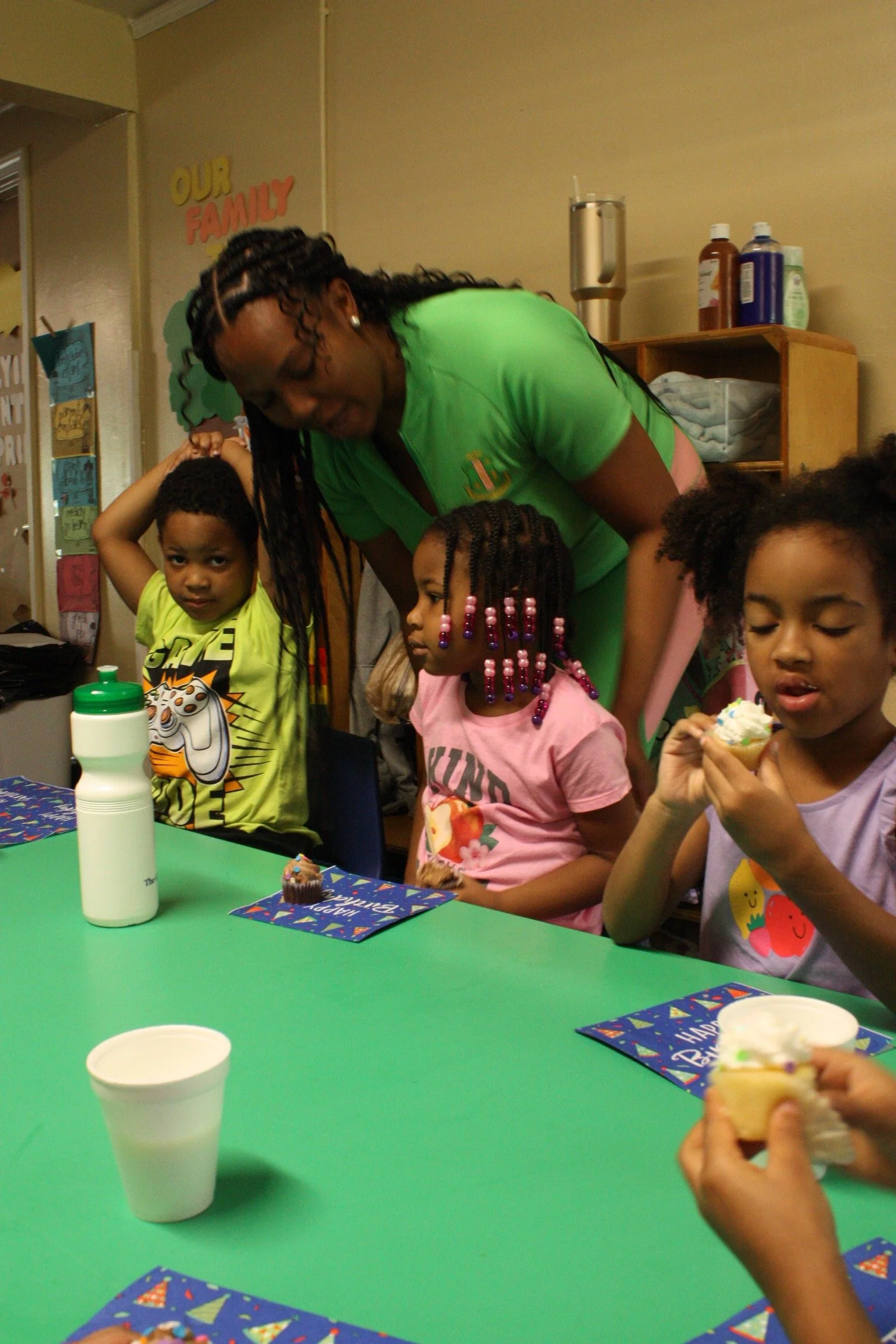
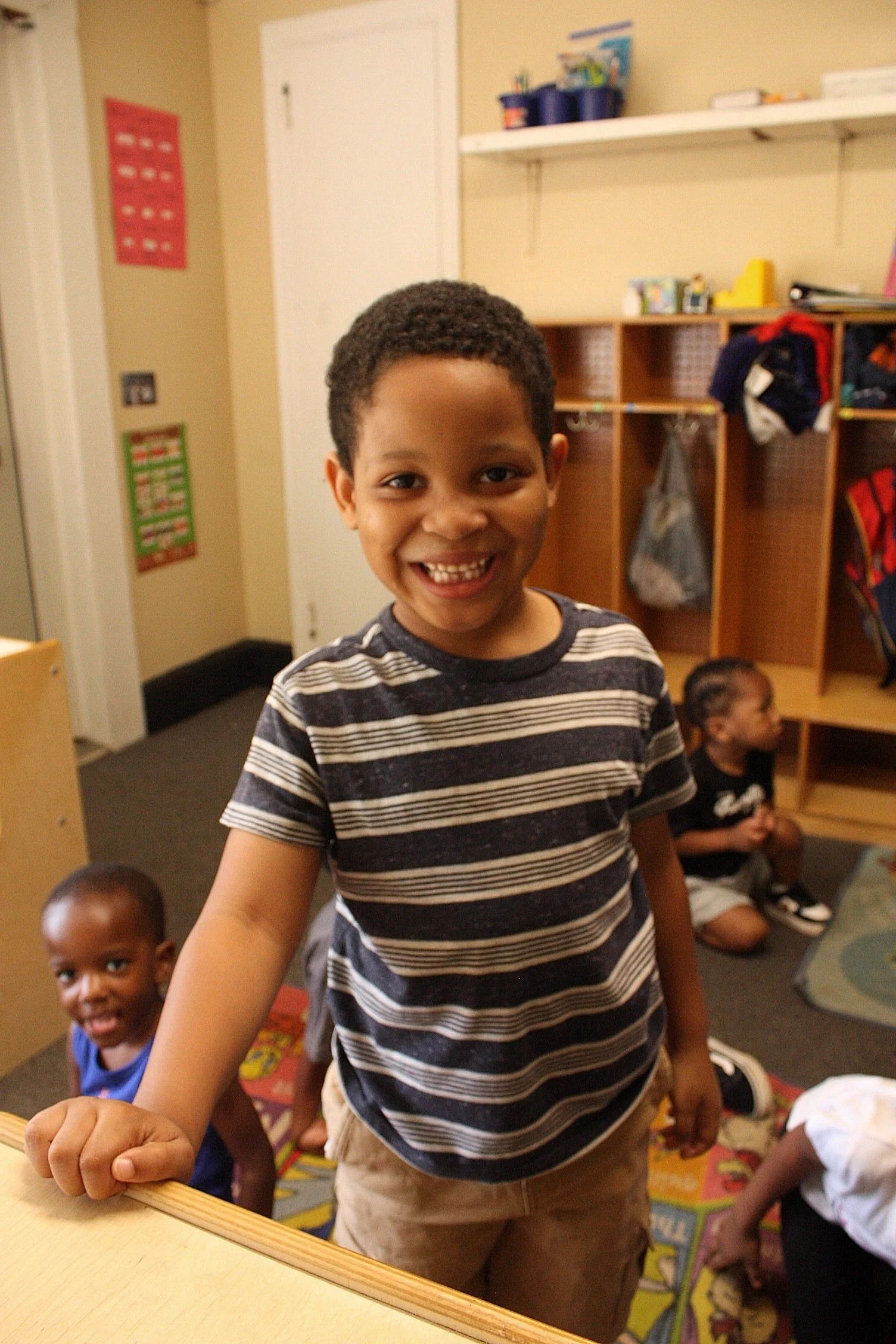
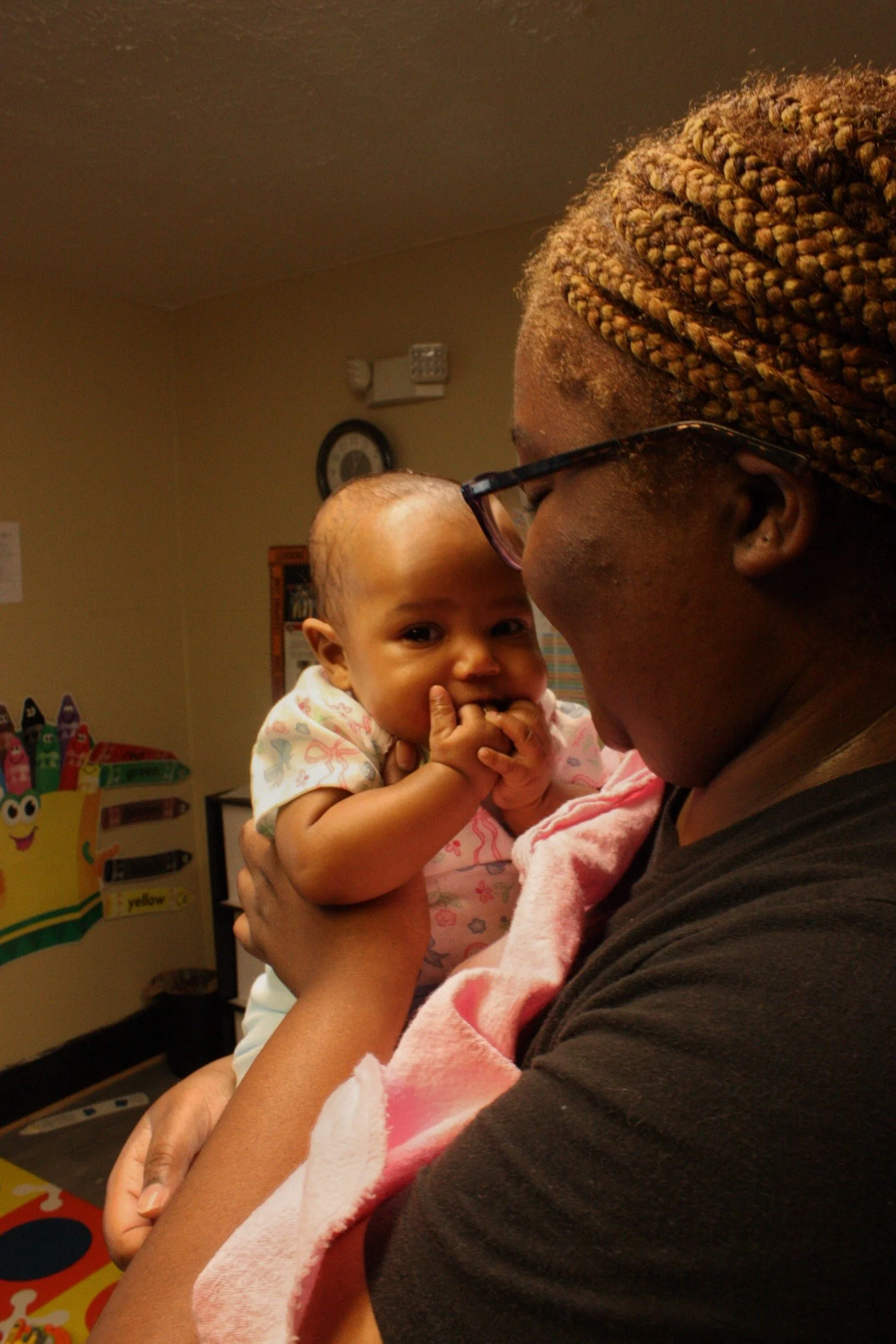
“I definitely see myself as a bridge for those single parents who drop their kids off every morning. It’s my responsibility to make sure their kids are okay and cared for while they are here, and I see how that can be scary for the parents handing off their child. Because of that, I strive to create a welcoming, nurturing environment where families feel supported and valued, knowing their children are in good hands. For many families, especially in Black communities, childcare centers are more than just educational spaces—they’re safe havens and community hubs that help strengthen and uplift our families. At Prepping for Excellence Academy, we also host events that include parents, fostering a strong sense of community and partnership between families and our staff.”